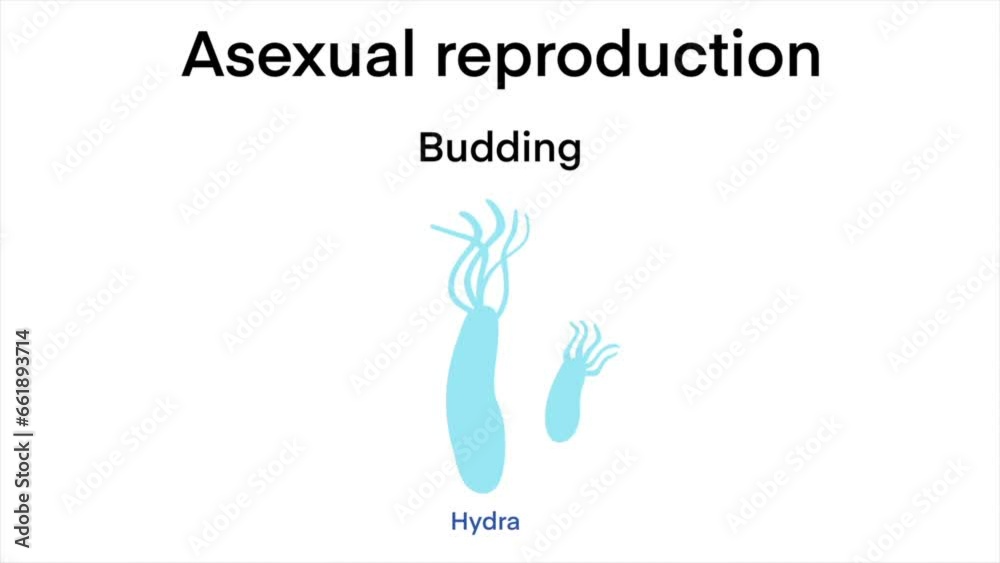
Asexual Reproduction diagram Scientific Designing of Differences Biology Diagrams
Asexual Reproduction diagram Scientific Designing of Differences Biology Diagrams In this guide, we will explore the differences between sexual and asexual reproduction, comparing their advantages and disadvantages. Additionally, we will look at different reproductive strategies using examples from both insects and plants. Sexual Reproduction Sexual reproduction involves the fusion of two gametes (reproductive cells) - one from each parent - to form a fertilised zygote.
Main Difference - Sexual vs Asexual Reproduction. Sexual and asexual reproduction are two mechanisms that produce offsprings of the living organisms. During sexual reproduction, two types of gametes, known as male and female gametes, are formed inside the male and female reproductive organs, respectively. Sexual Reproduction. Sexual reproduction is a type of reproduction that involves a complex life cycle in which a gamete (such as a sperm or egg cell) with a single set of chromosomes (haploid) combines with another to produce a zygote that develops into an organism composed of cells with two sets of chromosomes (diploid). Sexual reproduction is the most common life cycle in multicellular
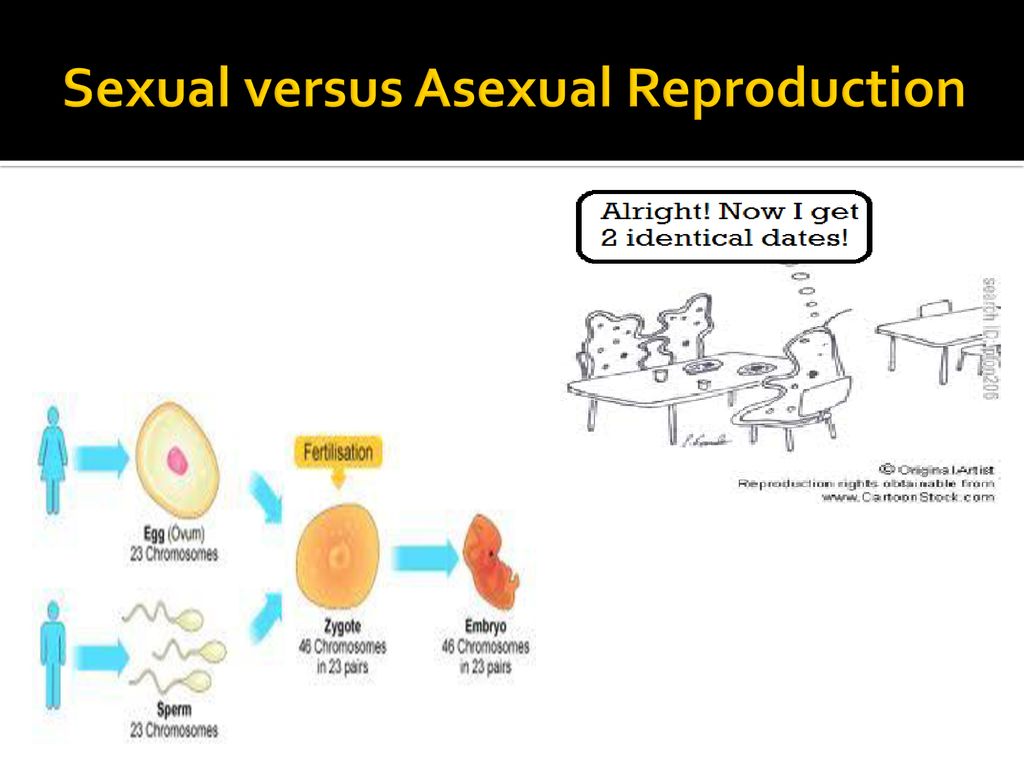
Sexual and Asexual Reproduction Biology Diagrams
Asexual vs Sexual Reproduction. Here are 16 differences between them. Sexual reproduction is a mode of reproduction involving a complex life cycle where the formation of new organisms occurs by the combination of genetic information from two different individuals of two different types (genders).

Compare and contrast asexual vs sexual reproduction. Learn the characteristics of each and explore the difference between sexual and asexual reproduction. Updated: 11/21/2023
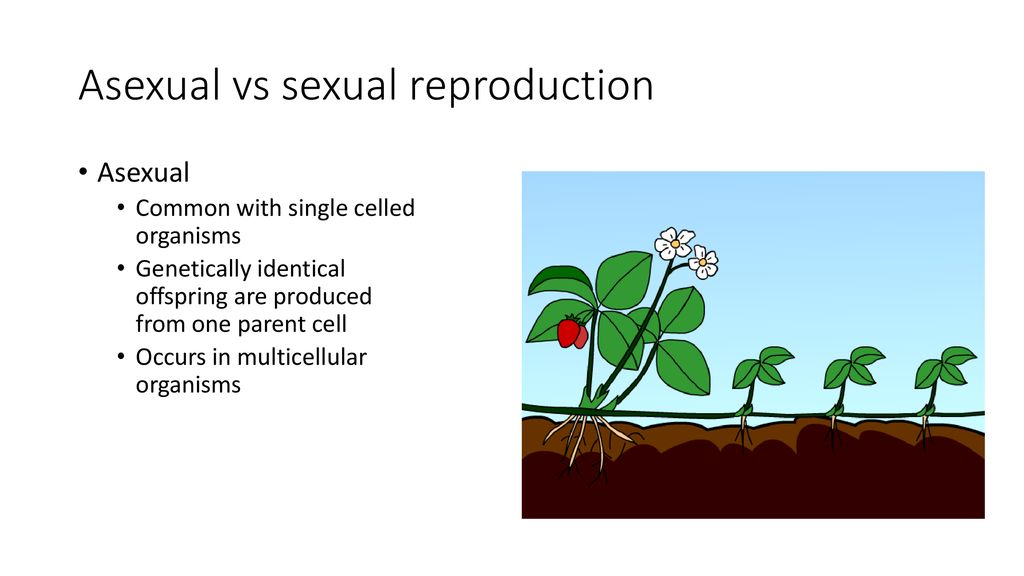
Difference between Sexual and Asexual Reproduction Biology Diagrams
Animals produce offspring through asexual and/or sexual reproduction. Both methods have advantages and disadvantages. Asexual reproduction produces offspring that are genetically identical to the parent because the offspring are all clones of the original parent. A single individual can produce offspring asexually and large numbers of offspring can be produced quickly.
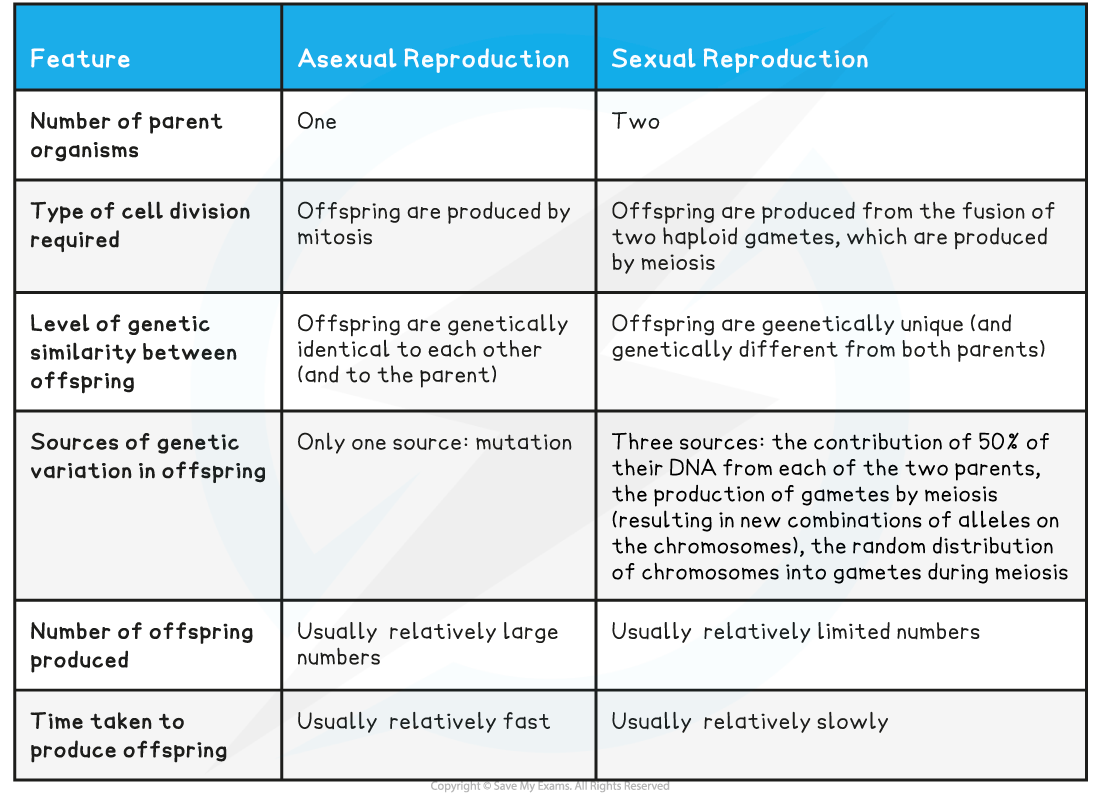
Reproduction: Asexual vs. Sexual. Cell division is how organisms grow and repair themselves. It is also how many organisms produce offspring. Cycle of Sexual Reproduction. Sexual reproduction involves the production of haploid gametes by meiosis. This is followed by fertilization and the formation of a diploid zygote. The number of
